

Things to Know Before You Buy
- Cold water only. Hot water breaks down rubber and latex backing, and the backing starts cracking within a handful of washes.
- Skip the dryer when you can. Even a low-heat setting runs hot enough over time to warp non-slip backing, so air drying protects the rug longer.
- Vacuum or shake out the rug before it touches water. Loose grit acts like sandpaper against the fibers during the spin cycle.
- Memory foam rugs need hand washing, not a full machine cycle. The foam core absorbs water and can take a day or more to dry out completely.
- A full wash-to-dry cycle takes about 12 hours in total, but only 20 minutes of that is active work.
Knowing how to wash a rug at home comes down to matching the routine to the rug, since cotton, chenille, and memory foam all react differently to water, heat, and agitation. Treat every rug the same way and you risk a warped backing, a shrunk pile, or a rug that stays damp long enough to grow mildew. Owners who report the longest-lasting rugs in verified reviews consistently mention two habits: cold water and full air drying, and both show up in every step below.
This guide walks through five steps, from prepping the rug and checking the care label to the wash cycle itself and the drying stretch that determines whether the backing survives. Follow them in order and a standard bath rug should hold up through fifty or more wash cycles without the pile flattening or the non-slip backing cracking. If your rug has a memory foam core, the adjustment in Step 4 matters more than usual, since foam handles water in a fundamentally different way than woven cotton or chenille.
What You'll Need
- Supplies: mild liquid laundry detergent, white vinegar, baking soda
- Tools: a vacuum cleaner or stiff brush, a washing machine (or a tub for hand washing)
Step 1: Vacuum and shake out loose debris
Take the rug outside or over a trash can and shake it out hard, then run a vacuum or stiff brush over both sides. This clears hair, dust, and grit before any water gets involved, which matters more than it sounds like it should when you're figuring out how to wash a rug at home without ruining it.
Grit trapped in the pile acts like sandpaper once the rug starts spinning in a washing machine, wearing down fibers and dulling colors faster than normal use would. A thorough shake-out and vacuum pass also cuts down on the amount of debris that ends up clogging your washer's drain filter, which is a common reason machines start smelling musty over time.
For rugs with a thick pile or chenille loops, run the vacuum slowly in both directions so it lifts debris out of the base instead of skimming the surface.
Step 2: Check the care label and spot-test
Flip the rug over and read the care label if it has one. It will tell you whether the material is cotton, chenille, microfiber, or memory foam, and whether the manufacturer allows machine washing at all. Rugs without a legible label should be treated as hand-wash-only until you know more, since guessing wrong here is how backings crack and colors bleed.
Before committing to a full wash, dab a small amount of your detergent on a hidden corner, wait a few minutes, then blot with a white cloth. If any color transfers onto the cloth, wash that rug separately in cold water and skip the vinegar step below, since vinegar can intensify bleeding on unstable dyes.
This step takes two minutes and it's the difference between a rug that survives the wash and one that comes out faded or blotchy.
Step 3: Pretreat stains and odors
Mix a tablespoon of baking soda with enough water to form a paste and work it into any visible stains or spots with a lingering smell. Let it sit for 15 minutes so it has time to lift oils and neutralize odor-causing bacteria before the main wash. For rugs that smell musty rather than stained, spray the whole surface lightly with white vinegar instead and let it air out for 15 minutes on its own.
Reviewers who deal with mold or heavier mildew consistently note that a single wash cycle rarely clears it completely, which is why a dedicated pretreatment step exists separately from a routine wash. If the smell or staining is extensive, our guide to removing mold from bath rugs covers a more aggressive process built specifically for that problem.
Rinse the pretreated area with cool water before loading the rug into the machine so you're not doubling up on cleaning agents during the cycle.
Step 4: Wash on a cold, gentle cycle
Load cotton and chenille rugs into the washing machine with a mild liquid detergent, set the water temperature to cold, and pick the gentle or delicate cycle. Cold water keeps rubber and latex backing from softening and cracking, which is the single most common way bath rugs fail early. Skip fabric softener entirely, since it coats fibers with a residue that cuts absorbency, defeating the point of a bath rug.
Wash rugs alone or with similar-weight items rather than with towels or clothing, since an uneven load can throw the machine off balance and leave the rug only partially rinsed. If the rug has a memory foam core or is too large for your machine's drum, skip the machine entirely and hand wash it in a bathtub instead, agitating gently and rinsing until the water runs clear.
An extra rinse cycle helps here too, since foam and thick pile hold onto detergent longer than a normal load and can come out stiff or scented if it isn't fully rinsed out.
Step 5: Air dry the rug completely
Pull the rug out as soon as the cycle ends, reshape it by hand, and lay it flat on a drying rack or hang it over a shower rod or railing. Avoid the dryer if the care label doesn't explicitly clear it for one, since dryer heat is the leading cause of cracked non-slip backing. If a label does allow tumble drying, use the lowest heat setting available and remove the rug while it's still slightly damp.
Plan on roughly 12 hours for a full air dry, longer for chenille or memory foam, which hold water deeper in the pile or core than a thin cotton mat. Check that the rug is dry all the way through the backing, not only on the surface, before putting it back on the floor. A rug that goes back down while still damp underneath is how mildew smell returns within days. For faster results in a humid bathroom, see our guide to drying bath rugs faster.
Rotate the rug periodically while it dries so airflow reaches every section evenly, especially with thicker chenille rugs that trap moisture in the center.
Common Mistakes to Avoid
Washing in hot water is the most common mistake people make when they learn how to wash a rug at home for the first time. Hot water feels like it should clean better, but it softens rubber and latex backing until it cracks and stops gripping the floor. Cold water clears the oils and dirt that build up on a bath rug equally well and protects the backing at the same time.
Skipping the vacuum step is another one. Loose grit left in the pile grinds against fibers during the spin cycle, which dulls color and thins the pile faster than normal wear ever would. It takes two minutes and it extends the life of the rug noticeably.
Using fabric softener seems harmless, but it coats fibers in a waxy residue that repels water instead of soaking it up, which defeats the entire purpose of a bath mat. Overloading the washing machine with towels or bedding alongside the rug also causes uneven rinsing and can leave detergent trapped deep in a thick pile.
Finally, putting a rug back down before it's fully dry is how the musty smell returns almost immediately. Surface dryness isn't the same as dry all the way through the backing, and foam-core and chenille rugs especially need the full drying window before they go back on the floor.
Our Top Picks
If your current rug isn't holding up to regular washing, these three options are built to survive the routine above without the backing cracking or the pile flattening.

Editor's Pick
Smiry Waffle Bath Mat 30x20
A waffle-weave microfiber mat that machine washes on cold and dries faster than thicker rugs thanks to its low pile.
$9.99
Check Price on Amazon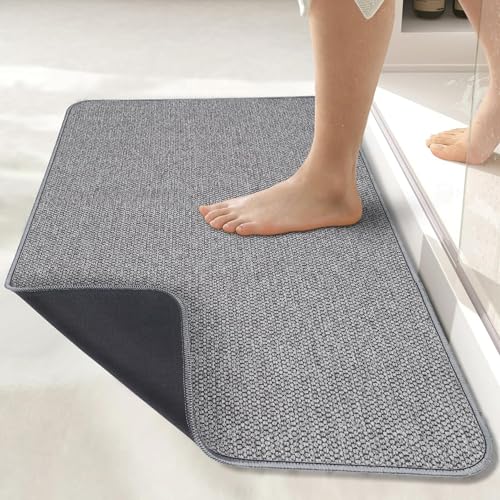
Best Value
Bath Mat Ultra Thin Bathroom
An ultra-thin mat that's easy to hand wash in a sink and dries within a couple of hours, priced for replacing every season.
$9.59
Check Price on Amazon
Premium Choice
GORILLA GRIP Bath Rug Mat
A thicker chenille rug with a non-slip rubber backing rated for cold-cycle machine washing, built to hold up over years of regular use.
$18.99
Check Price on AmazonFrequently Asked Questions
Can you wash a rug in a regular washing machine?
Most bath rugs under about 5 pounds fit a standard washing machine on a cold, gentle cycle. Oversized rugs, foam-core rugs, or anything that overfills the drum should be hand washed in a tub instead, since an overloaded machine cannot rinse detergent out evenly.
How often should you wash a bath rug?
Wash a bath rug every one to two weeks under normal household use, and weekly if more than one person showers daily or if pets track in dirt. Waiting longer lets moisture and skin oils build up in the pile, which is what leads to the musty smell most people associate with an old rug.
Can you put a bath rug in the dryer?
Only if the care label explicitly allows it, and even then a low-heat setting is safer than high heat. Most bath rugs have a rubber, latex, or foam backing that cracks under repeated dryer heat, so air drying is the safer default for washing a rug at home.
What's the best way to remove mold or mildew smell from a rug?
Pretreat the rug with white vinegar, let it sit for 15 minutes, then wash on cold with an extra rinse cycle. A single wash rarely clears mold that has spread past a small spot; see our guide to removing mold from bath rugs for the full process if the smell persists.
Do memory foam bath rugs need a different washing process?
Yes. Memory foam cores should be hand washed rather than machine washed, since a full spin cycle can break down the foam and cause it to lose its shape. Soak the rug in cold water with a small amount of detergent, agitate gently by hand, rinse thoroughly, and allow extra drying time since foam holds water longer than woven fibers.
Verdict
Knowing how to wash a rug at home comes down to two habits: cold water and full air drying. Skip hot water, skip fabric softener, skip the dryer unless the label clears it, and a standard bath rug should survive fifty or more wash cycles without the backing cracking or the pile going flat. The five steps here work for cotton and chenille rugs straight through the machine, and with the hand-wash adjustment in Step 4, they work for memory foam cores too.
If you're shopping for a new rug because your current one didn't survive its first few washes, look for a chenille pick like the GORILLA GRIP rug above, since its rubber backing is rated specifically for cold-cycle machine washing rather than spot cleaning only. Whatever you choose, the routine in this guide determines how long the rug lasts as much as the rug itself does.