How to Clean Bath Rugs (2026)
Prices and picks verified as of September 2026. Independent, reader-supported reviews.


Things to Know Before You Buy
- Cold water only. When cleaning bath rugs, hot water breaks down the rubber or latex backing, and it starts to crack within a few washes.
- Skip the dryer. Even the low-heat setting runs hot enough to damage non-slip backing; air drying protects it instead.
- Fabric softener reduces absorbency. It coats the fibers with a waxy residue that repels water instead of soaking it up.
- Memory foam rugs need different handling than cotton or chenille; the foam core should never go through a full wash cycle.
Knowing how to clean bath rugs properly is the difference between a mat that lasts two years and one that cracks, sheds, and smells musty within months. Most bath rugs do not fail from daily wear. They fail because someone washed them in hot water, tossed them in the dryer, or let them sit on tile while still damp. Each of those mistakes attacks the rubber or latex backing long before the fibers wear out.
The fix is a five-step routine built around two rules: cold water and complete air drying. Follow the steps below in order, and a standard bath rug should survive fifty or more wash cycles without the backing cracking or the pile going flat. If your rug is memory foam, note the adjustment in Step 3, since foam cores need gentler handling than woven cotton or chenille.
What You'll Need
- Supplies: white vinegar, liquid laundry detergent, baking soda
- Tools: a vacuum cleaner or stiff brush, a washing machine
Step 1: Shake Out Debris and Check the Care Label
Start by taking the rug outside or over a trash can and shaking it firmly to remove loose hair, dust, and grit. This step matters more than it seems: dirt trapped in the pile acts like sandpaper during the wash cycle, wearing down fibers faster than the washing itself. A quick vacuum pass on both sides, using the upholstery attachment, picks up what shaking leaves behind.
While you have the rug flipped over, check the care label. Rubber and latex-backed rugs almost always require cold water and air drying. A handful of all-cotton, backing-free rugs can tolerate warm water, but treat that as the exception, not the default. If the label says spot clean only, or shows a foam-core icon, skip ahead to the memory foam note in Step 3 instead of running the rug through a full cycle.
Step 2: Pretreat Stains and Soap Scum
Mix baking soda with a small amount of water to form a paste, then work it into any visible stains, yellowing, or soap scum buildup with an old toothbrush. Let it sit for 10 to 15 minutes. For mildew spots or general grime, a straight spray of white vinegar works equally well and needs less scrubbing.
Pretreating matters because a standard cold-water cycle will not fully lift set-in stains on its own. Rugs near a shower or tub also collect a thin film of soap scum that plain detergent struggles to break down. Spending five extra minutes here means the rug comes out of the wash actually clean rather than merely less dirty.
Step 3: Wash on a Cold, Gentle Cycle
Load the rug into the washing machine alone or with similar-colored towels, never with clothing that has zippers or hooks. Use cold water on the gentle or delicate cycle and a liquid detergent rather than powder, since undissolved powder granules can lodge in thick pile and leave a gritty residue. Skip fabric softener entirely; it coats fibers with a waxy film that cuts absorbency and can degrade rubber backing over time.
Memory foam rugs are the exception. The foam core should never go into the washing machine. If the cover is removable, wash the cover using the same cold, gentle settings and hand wash the foam insert separately with a damp cloth and mild soap. Running foam through a spin cycle tears the internal structure, and it will not spring back.
If you would rather skip this step going forward, a stone bath mat wipes clean with a damp cloth and never needs a trip through the washing machine, worth considering if laundering bath rugs regularly feels like a chore.
Step 4: Skip the Dryer and Air Dry Completely
Hang the rug over a shower rod, towel bar, or outdoor line rather than tossing it in the dryer. Even the low-heat setting on most dryers runs between 125 and 135 degrees Fahrenheit, hot enough to make rubber and latex backing brittle and crack in a spiderweb pattern. Once that cracking starts, it does not reverse.
To speed up drying, roll the damp rug in a clean towel and press down firmly to squeeze out excess water before hanging it. This trick alone can cut drying time by close to a third. Give the rug enough time to dry on both the pile and the backing side; a rug that looks dry on top but stays damp underneath is how mold gets started again right after all the work of cleaning bath rugs in the first place.
Step 5: Check the Backing and Return the Rug to the Floor
Before putting the rug back down, flip it over and run a hand across the backing. It should feel flexible, not stiff or brittle, and no flaking or crumbling material should come off on your fingers. A little wear over time is normal, but visible cracks mean the backing is failing and the rug will start sliding no matter how flat you lay it.
Confirm the rug is completely dry, including the backing, before setting it on tile or vinyl. A rug that goes down even slightly damp traps moisture against the floor and creates the exact conditions mold needs to take hold, undoing the point of washing it. Once it passes both checks, lay it flat and press out any curling at the corners so it sits securely underfoot.
Common Mistakes to Avoid
The most common mistake is washing in hot water, which people default to when a rug looks especially dirty. Hot water feels more thorough, but it is the single fastest way to crack rubber and latex backing. Cold water cleans bath rugs with the same effectiveness for the type of soil they collect, mostly body oils, skin cells, and soap residue, none of which need heat to break down.
A close second is reaching for fabric softener. It leaves a waxy coating that reduces absorbency by as much as a third and can penetrate memory foam, trapping odors inside the core. White vinegar in the rinse does the same softening job without the downside.
Using the dryer, even on low heat, is another frequent error. Owners assume low means safe, but most residential dryers run well above the temperature that damages backing on that setting. Air drying takes longer, but it is the only method that does not shorten the rug's life.
Finally, people put rugs back down before they are fully dry, particularly the underside. A damp rug on a bathroom floor creates a warm, dark, wet environment where mold grows within a day or two, so the cleaning session meant to remove buildup ends up encouraging new growth instead.
Our Top Picks
If washing and drying a rug every week is not something you want to keep up with, these stone bath mats are worth a look. They absorb water fast, dry within minutes, and wipe clean with a damp cloth instead of a trip through the laundry.
Editor's Pick
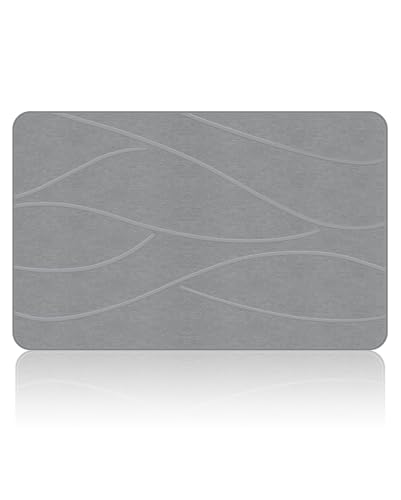
Veeloim Stone Bath Mat Diatomaceous
A diatomaceous stone mat that pulls water off wet feet in seconds and dries almost as fast, so there is no washing routine to keep up with. It sits flat on tile without a rug pad, though the surface stays firm rather than cushioned.
$29.99
Check Price on Amazon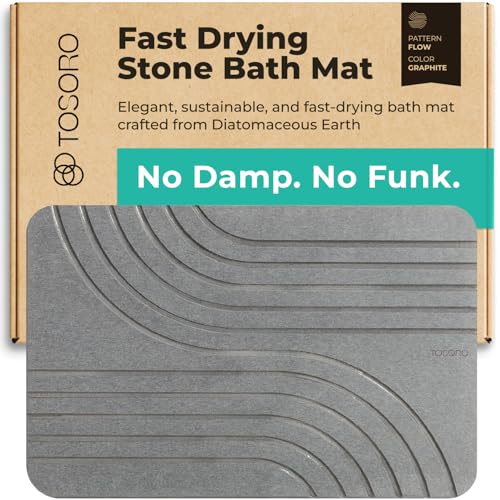
Best Value
TOSORO - Stone Bath Mat
A similarly sized stone mat at a higher price point, with a slightly rougher texture that grips wet feet well. It suits a household that wants the low-maintenance upside without hunting for the cheapest option.
$39.95
Check Price on Amazon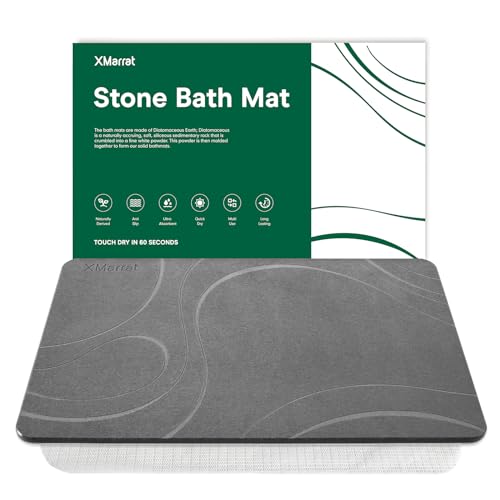
Premium Choice
XMarrat Stone Bath Mat Diatomaceous
A newer stone mat design with a wider drying surface than the standard size, useful for a double vanity or a bathroom with more foot traffic. Like other stone mats, it needs an occasional wipe-down rather than a wash.
$29.99
Check Price on AmazonHow often should you clean bath rugs?
Wash a bath rug every one to two weeks under normal use, and more often in a household with kids, pets, or heavy shower traffic.
Can you put bath rugs in the dryer?
Only if the rug has no rubber, latex, or foam backing, and even then a low-heat setting is safer than high heat.
Frequently Asked Questions
How often should you clean bath rugs?
Wash a bath rug every one to two weeks under normal use, and more often in a household with kids, pets, or heavy shower traffic. Rugs used daily by more than one person pick up oils and moisture faster and benefit from a weekly wash.
Can you put bath rugs in the dryer?
Only if the rug has no rubber, latex, or foam backing, and even then a low-heat setting is safer than high heat. Most bath rugs have some form of non-slip backing, and dryer heat is the leading cause of that backing cracking and losing its grip.
What is the best way to clean bath rugs with mold or mildew?
Spray the affected area with white vinegar, let it sit for 15 minutes, then wash on cold with an extra rinse cycle. For rugs with mold beyond a small spot, or a musty smell that persists after washing, replacement is usually more practical than continued treatment. See our guide to removing mold from bath rugs for the full process.
Can you hand wash a bath rug instead of using a machine?
Yes, and hand washing is required for memory foam cores and any rug too large for your washing machine drum. Soak the rug in cold water with a small amount of liquid detergent, agitate gently by hand, rinse thoroughly, and squeeze out excess water before air drying.
Why does a bath rug still smell after washing?
A lingering smell usually means moisture is trapped somewhere the wash cycle did not fully reach, often inside a foam core or in backing that has started to break down. Confirm the rug dried completely before its last use, and if the smell returns within a day of a clean, dry rug, the backing may be failing and trapping moisture underneath.
Verdict
Learning how to clean bath rugs comes down to two habits: cold water and complete air drying. Skip the hot water, skip the dryer, and skip the fabric softener, and a standard rug will hold its grip and absorbency for years instead of months. Pretreating stains before the wash and checking the backing before the rug goes back down are the extra steps that separate a rug that lasts two years from one that needs replacing after six months.
If the weekly wash-and-dry routine is not something you want to maintain, a stone mat like the Veeloim Stone Bath Mat Diatomaceous skips the laundry step entirely, since it dries fast on its own and only needs an occasional wipe. For anyone keeping their current rug, though, the five steps above are the whole method, and there is no shortcut around cold water and full air drying if you want the backing to survive.