

Things to Know
- Most bath rugs last 1 to 2 years. Memory foam and dense cotton can stretch to 2-3 years with careful maintenance. Budget microfiber and chenille typically need replacing closer to the 12-month mark.
- The backing fails before the rug. In 80% of cases, it is the non-slip rubber or TPR backing that cracks and loses grip — not the fibers. Heat from the dryer is the primary cause.
- A sliding rug is a safety hazard. If your rug moves on wet tile, replace it immediately. This is especially critical in bathrooms used by elderly or mobility-impaired people.
- Air drying is the single most effective way to extend rug life. One hot dryer cycle can crack a backing that would otherwise last 18 more months.
The short answer: replace your bath rug every 1 to 2 years with regular daily use. But the real answer depends on the material, how you wash it, and whether you air dry it or throw it in the dryer. A well-maintained cotton rug can last three years. A microfiber rug that goes through a hot dryer every week might not make it to eight months.
The more important question is not "how old is my rug?" but "is my rug still safe and functional?" A rug that slides on tile, smells musty after washing, or has visible cracks in the backing is overdue for replacement regardless of its age. Here is how to tell when it is time, what kills rugs fastest, and how to get the most life out of your next one.
How Long Do Bath Rugs Actually Last?
Lifespan varies significantly by material. Here is what to expect from each type with normal daily use and proper cold-water washing:
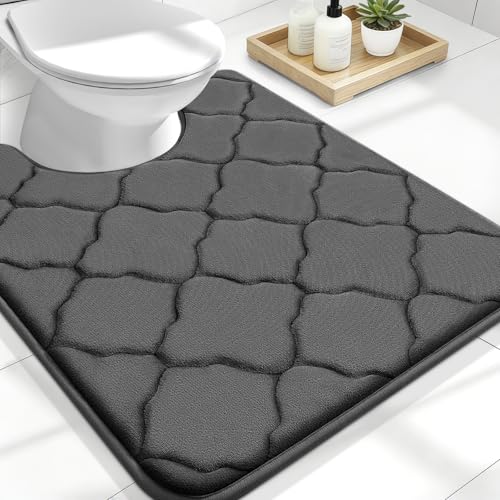
Memory foam: 2 to 3 years
Memory foam has the longest functional lifespan because the foam core itself is resilient. The velvet or microfiber surface may pill after a year, but the cushioning holds up. The weak point is the backing — SBR rubber lasts longer than TPR, but both degrade with heat. With consistent air drying, a quality memory foam rug like the ones in our memory foam roundup can reach the 3-year mark. With regular machine drying on high heat, expect 12-18 months before the backing starts sliding.
Cotton: 1.5 to 3 years
Cotton is the only bath rug material that actually improves with age during the first year. The fibers soften and become more absorbent with washing. A quality ring-spun cotton rug — like the ones in our cotton roundup — can last 2-3 years before the pile flattens permanently. The catch: most cotton rugs have no built-in non-slip backing, so the rug itself may last longer than its grip solution. If you use a rug pad underneath, replace the pad every 12 months even if the rug is still good.
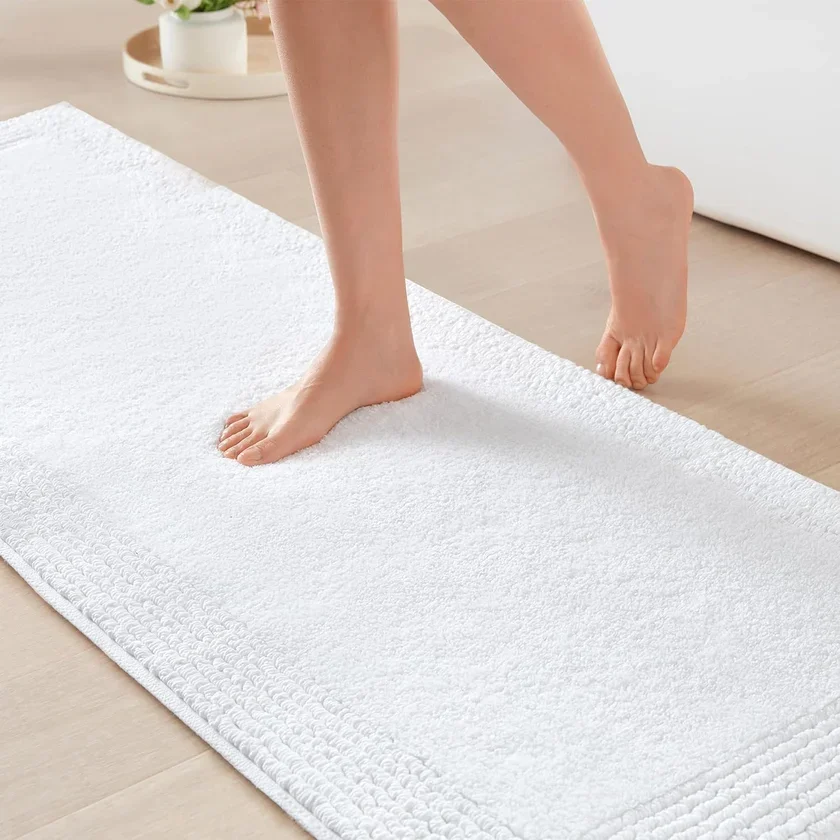
Chenille: 1 to 2 years
Chenille's looped construction starts flattening after about 12 months of daily use. The loops lose their plush feel and the rug begins to look matted. Drying speed — chenille's main advantage — remains effective even as the loops flatten, so the rug is still functional even when it looks tired. Replace when the loops are visibly compressed and no longer bounce back after washing. See our chenille roundup for current picks.
Microfiber: 1 to 1.5 years
Standard microfiber bath rugs have the shortest lifespan. The thin fibers break down faster than cotton or chenille, and the pile compresses permanently under daily foot traffic. Budget microfiber rugs under $15 often show visible wear within 6-8 months. The upside: at their price point, replacing them annually is often cheaper than maintaining a premium rug. For current options, see best bath rugs under $20.
5 Signs Your Bath Rug Needs Replacing
Age alone does not determine when to replace a rug. These five warning signs mean the rug is no longer safe or functional, regardless of how old it is:
1. The backing is cracked or peeling
Turn your rug over. If you see cracks, flaking, or areas where the rubber has hardened and separated from the fabric, the non-slip function is compromised. A rug with a cracked backing will slide on wet tile, and no amount of rug pad or adhesive strips will reliably fix it. This is the most common reason to replace a rug, and it is caused almost entirely by heat from the dryer. If your rug is sliding where it used to grip, check the backing first. For more on preventing sliding, see our guide.
2. The rug slides on tile where it previously stayed put
Even if the backing looks intact, a rug that has started sliding is a fall hazard. The surface texture of the backing wears smooth over time, especially on porcelain tile. If the rug moves under your feet when you step out of the shower, replace it. This is especially urgent in bathrooms used by seniors or anyone with balance issues — the CDC reports that bathroom falls send over 235,000 people over 65 to the emergency room every year.
3. The rug smells musty even after washing
If your rug develops a persistent damp or musty odor that survives a full wash cycle with vinegar, the mildew has penetrated deep into the fibers or the foam core. At this point, washing removes surface bacteria but the odor source remains inside the material. This is most common with memory foam, which retains moisture longer than cotton or chenille. For troubleshooting before you give up, see why your bath rug smells and how to fix it. If the vinegar wash does not solve it, replace the rug.
4. The padding feels flat and compressed
Memory foam and thick microfiber rugs should bounce back when you press them. If you can feel the hard floor through the rug, or if the foam no longer returns to its original thickness after being compressed, the cushioning is permanently damaged. This matters for both comfort and safety — compressed foam absorbs less impact in a fall. Press the rug with your thumb: if the indentation stays for more than 10 seconds, the foam is done.
5. The color is visibly uneven or discolored
Yellowing on white rugs, faded patches on colored rugs, or visible staining that does not wash out indicates fiber breakdown. Discoloration is cosmetic, not functional, but it usually correlates with age-related degradation in the backing and pile density. If the rug looks noticeably different from when you bought it, the internal components are likely wearing out too.
What Kills Bath Rugs Fastest
Three habits destroy bath rugs faster than normal aging:
Machine drying on high heat
This is the single biggest rug killer. High heat cracks rubber and TPR backing, melts adhesive layers, and causes memory foam to break down at a molecular level. One cycle on high heat does more damage than six months of daily use. If you take away one thing from this article: always air dry your bath rug, or at most use the lowest dryer setting. See how to wash bath rugs for the full care guide.
Leaving the rug flat on wet tile
A rug that stays flat on a damp floor between uses traps moisture against the tile surface, creating the ideal conditions for mold growth underneath. The bottom of the rug — the part you never see — develops mildew first. Hang the rug over the tub edge, a towel bar, or even the shower door after every use. This single habit can extend rug life by 6-12 months.
Bleach on synthetic materials
Chlorine bleach is safe for 100% cotton rugs, but it yellows synthetic fibers (microfiber, chenille, memory foam surfaces) and weakens non-slip backings. Use oxygen-based bleach (like OxiClean) for any rug that is not pure cotton. Even on cotton, dilute the bleach and rinse thoroughly — concentrated bleach weakens fibers over time.
How to Make Your Bath Rug Last Longer
These five practices consistently extend rug lifespan across every material type we have compared:
- Air dry after every wash. Hang on a towel bar or drying rack. Never use high heat. If you must use a dryer, select the lowest possible setting or air-dry cycle.
- Hang between uses. After every shower, drape the rug over the tub edge or a bar. This prevents mildew underneath and lets both sides dry evenly.
- Wash on cold, gentle cycle. Hot water degrades backing adhesive and shrinks cotton. Cold water cleans just as effectively for routine washing.
- Shake out before washing. Removing loose dirt and hair before the wash cycle prevents it from embedding deeper into the fibers during agitation.
- Rotate if you have two. Buying two rugs and alternating weekly gives each one time to fully dry and recover between uses. This alone can nearly double effective lifespan.
For a complete care routine, see our how to wash bath rugs guide.
When to Replace vs. When to Deep Clean
Deep clean first if the rug smells musty but the backing is intact, the pile is still plush, and the rug does not slide. A wash cycle with one cup of white vinegar (instead of detergent) followed by a regular cold wash often eliminates odor-causing bacteria. If the smell is gone after this treatment, the rug is still usable.
Replace immediately if the backing is cracked or the rug slides on wet tile. No amount of cleaning fixes a degraded backing, and a sliding rug is a genuine safety hazard. Also replace if the musty smell survives a vinegar wash — the contamination is too deep to reach.
When you are ready to replace, our best bath rugs guide covers every material and price point. If budget is a concern, our under $20 picks include rugs that perform well as replacement-cycle purchases. For maximum non-slip safety, our dedicated roundup prioritizes backing durability.
How often should you wash a bath rug?
Every one to two weeks with regular use.
Can you repair a cracked non-slip backing?
No.
Frequently Asked Questions
How often should you wash a bath rug?
Every one to two weeks with regular use. If your bathroom is humid or the rug stays damp between uses, weekly washing prevents mildew buildup. Always wash on cold with a gentle cycle and air dry to protect the backing. For a full routine, see how to wash bath rugs.
Can you repair a cracked non-slip backing?
No. Once the rubber or TPR backing has cracked, it cannot be restored. A cracked backing means the rug will slide on tile, which is a fall hazard. Replace the rug immediately. There is no adhesive or sealant that reliably restores non-slip function.
Is it unsanitary to keep an old bath rug?
A bath rug that smells musty even after washing, shows visible discoloration, or has been in use for more than two years without replacing is likely harboring bacteria and mold in the fibers. If a vinegar wash does not eliminate the odor, the contamination is too deep to clean and the rug should be replaced.
Do expensive bath rugs last longer than cheap ones?
Generally yes, but care matters more than price. A $10 rug that is air-dried after every wash can outlast a $40 rug that goes through a hot dryer regularly. The backing is almost always what fails first, and heat is the primary cause of backing degradation regardless of price tier.